


Day
Cortisol.
Your stress hormone. It’s meant to drop at night. Bright evening light keeps it switched on. Parlay turns the signal down, so your body can finally let go of the day.
The light around you shapes how you sleep, focus, and feel.
Your eyes do more than see. They tell your body what time it is. Modern light gets that signal wrong. Parlay corrects it at the lens.
Modern light never turns off.
Our bodies were built around the rhythm of day and night. Modern life broke that rhythm.
Before electricity, evenings were warm and dim. Firelight, candles, the slow fade of dusk. Your body read all of it as a signal to wind down.
Now your evenings are bright, blue, and constant. Phones, laptops, ceilings full of LEDs. Your body still reads light the way it always has. It just keeps getting the daytime signal.
That’s why you can feel tired and wired at once. Your stress hormone stays high. Your sleep hormone stays low. Sleep gets harder. Mornings get worse.
Parlay filters the wavelengths that scramble the signal. The rest of the light gets through. Your body finally gets to read night as night.

A small slice of light
runs your body clock.
Visible light covers a wide range, from 380 to 780 nanometers. Most of it your body handles fine. One narrow slice it can’t ignore.
Between 400 and 530 nanometers sits a band your brain reads as full-on daytime. It’s the same band that pours out of every phone, every screen, every LED in your ceiling.
Hit your eyes with that band at the wrong hour and your body responds the way it would at noon. Stress hormones go up. Sleep hormones stay flat.
Toggle Everyday to see the daytime cut. Toggle Dusk to see the full evening filter. The chart shows what reaches your eyes in each mode.
Three steps from light source to your biology.
Every photon takes the same path. Source. Eye. Brain. Hormone. Parlay steps in at exactly the right moment.
Special cells in your retina, called ipRGCs, don’t help you see. They tell your brain what time of day it is.
They listen hardest to one narrow band of light, around 480 nanometers — the same band that pours out of every screen, LED, and ceiling light.
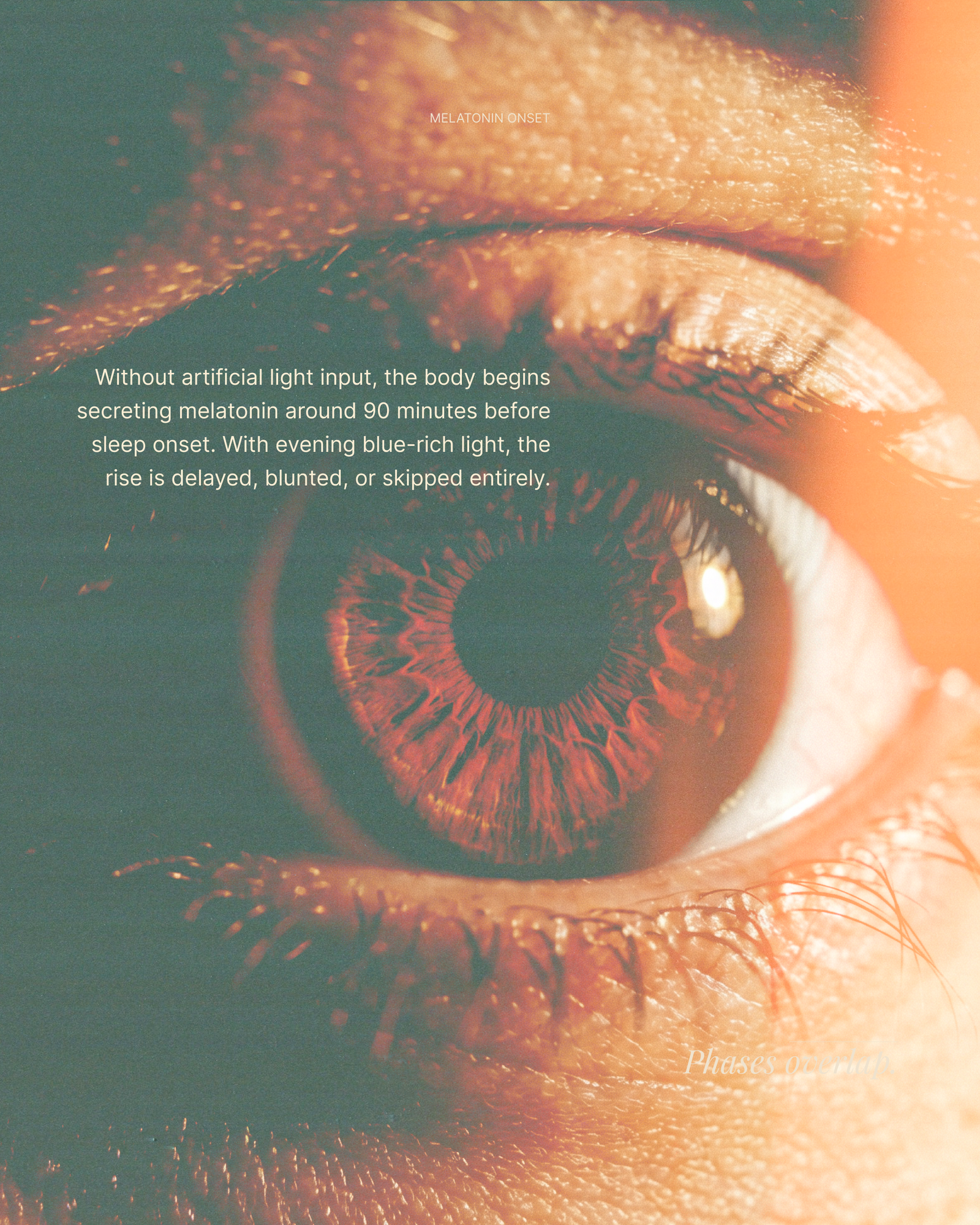
Every lit screen after sunset sends your brain a noon-bright dose of the same band. So your sleep hormone stays low. Your stress hormone stays high.
Your brain can’t tell the difference between a phone at 11pm and the sun at noon. It just reads the light and reacts.
A pigment is built into the lens itself, not painted on top. It catches the wavelengths that scramble your clock before they ever reach your eye.
The rest of the spectrum passes through. The world still looks like the world. Your body just gets to read the right time again.
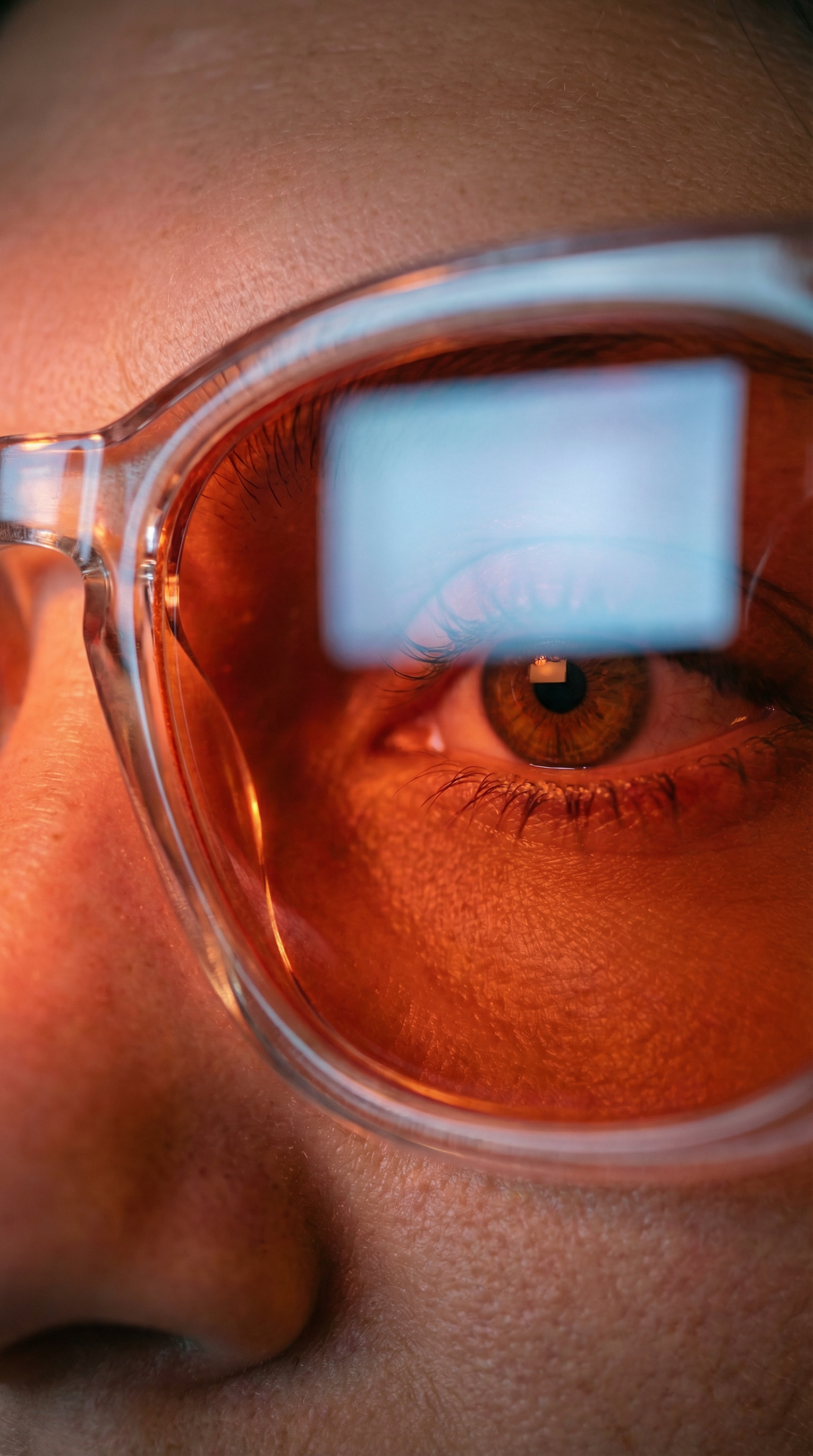
Not a coating. Not a placebo. A pigment built into the lens, tuned to the band your body reads as daytime.
Two layers, tuned to keep your focus steady on screens.

Two layers that help your body recognize night.
Three hormones, one rhythm restored.
Light decides when your body makes the hormones that run your day. Correct the light upstream and the rest of the day starts to settle.
Your stress hormone. It’s meant to drop at night. Bright evening light keeps it switched on. Parlay turns the signal down, so your body can finally let go of the day.
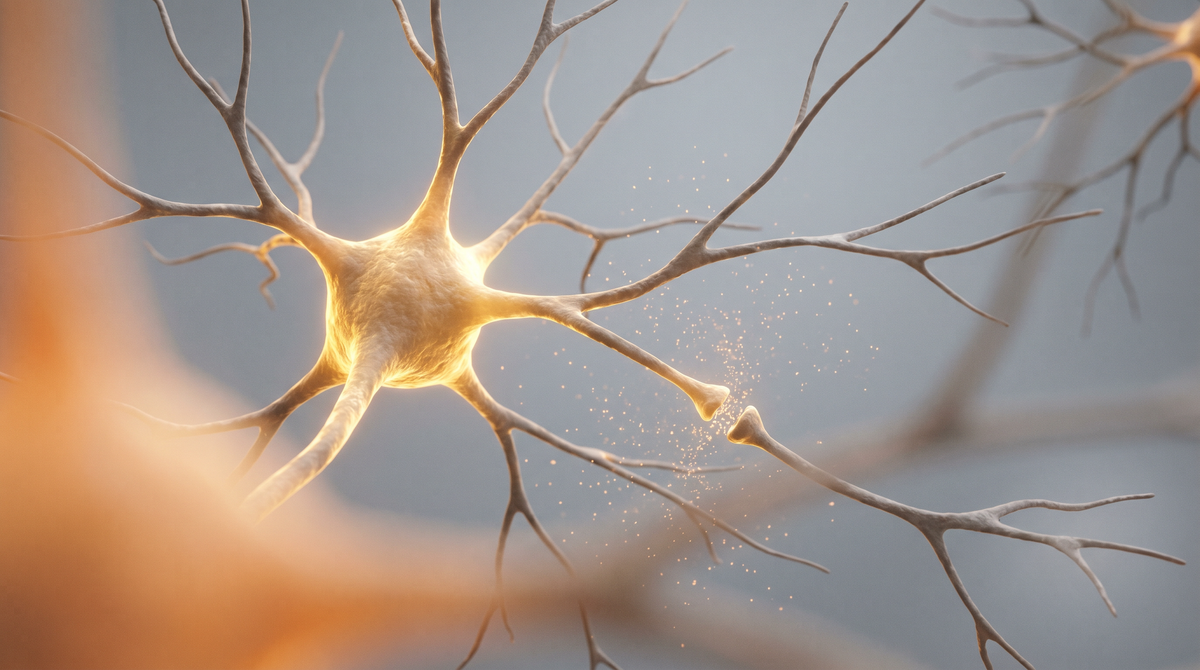
Dopamine keeps you locked in. Screens keep it running long after you want to stop. Parlay filters the light that fuels it, so your brain can switch off when the day is done.
Your sleep hormone. Bright blue and green light hold it back for hours. Parlay filters the wavelengths that suppress it, so the signal to sleep arrives on time.
Most blue-light glasses filter under 20% of the wavelengths that actually matter. The math is plain.
Filtration values from third-party lab measurement. Numbers describe peak filtration across the listed wavelength range.

Day and Dusk, in one box.
Two lenses, built to hand off at sunset. Everything you need to cover the full day — in one set, at one price.
The pigment, the wavelengths, the research, the trial. Written by the people who build the lenses.
That slice of light is what your body reads as daytime. It tells your brain to release stress hormones, hold off on sleep hormones, and stay alert. Filter that band and the rest of the spectrum still gets through — color stays close to true, and your body gets the right time signal.
Most cheap pairs filter 5 to 20% of bright blue light and skip green light entirely. Parlay targets the full 400 to 530 nm band, including the green that drives your body clock. The pigment is also built into the lens itself, not painted on, so it doesn’t wear off.
Daytime and evening are different problems. Everyday keeps daylight visibility while filtering the bright blue that wears your eyes out on screens. Dusk goes deeper, around ~99% across the full disruption band, for the hours before bed when sleep needs to start. One lens can’t do both jobs without giving something up.
Everyday: through screen-heavy hours during the day. Dusk: 2 to 3 hours before bed. Mornings: no lens — real morning light is the best signal you can give your body, so don’t block it.
A visible tint means real filtration — that’s how the physics works. Most wearers stop noticing the tint within 10 minutes, and say the lenses feel more comfortable than clear glass by day three. Everyday is light enough to feel almost clear in daylight.
14-day risk-free trial. Wear them for two weeks. If you don’t feel a difference in sleep onset, focus, or eye strain, send them back. Full refund, no questions.
Still have a question?Contact us