

Cortisol
SteadiedCortisol is your stress hormone. Hours of harsh screen light can keep it running high. Everyday softens that light, so your stress response stays level through the workday.


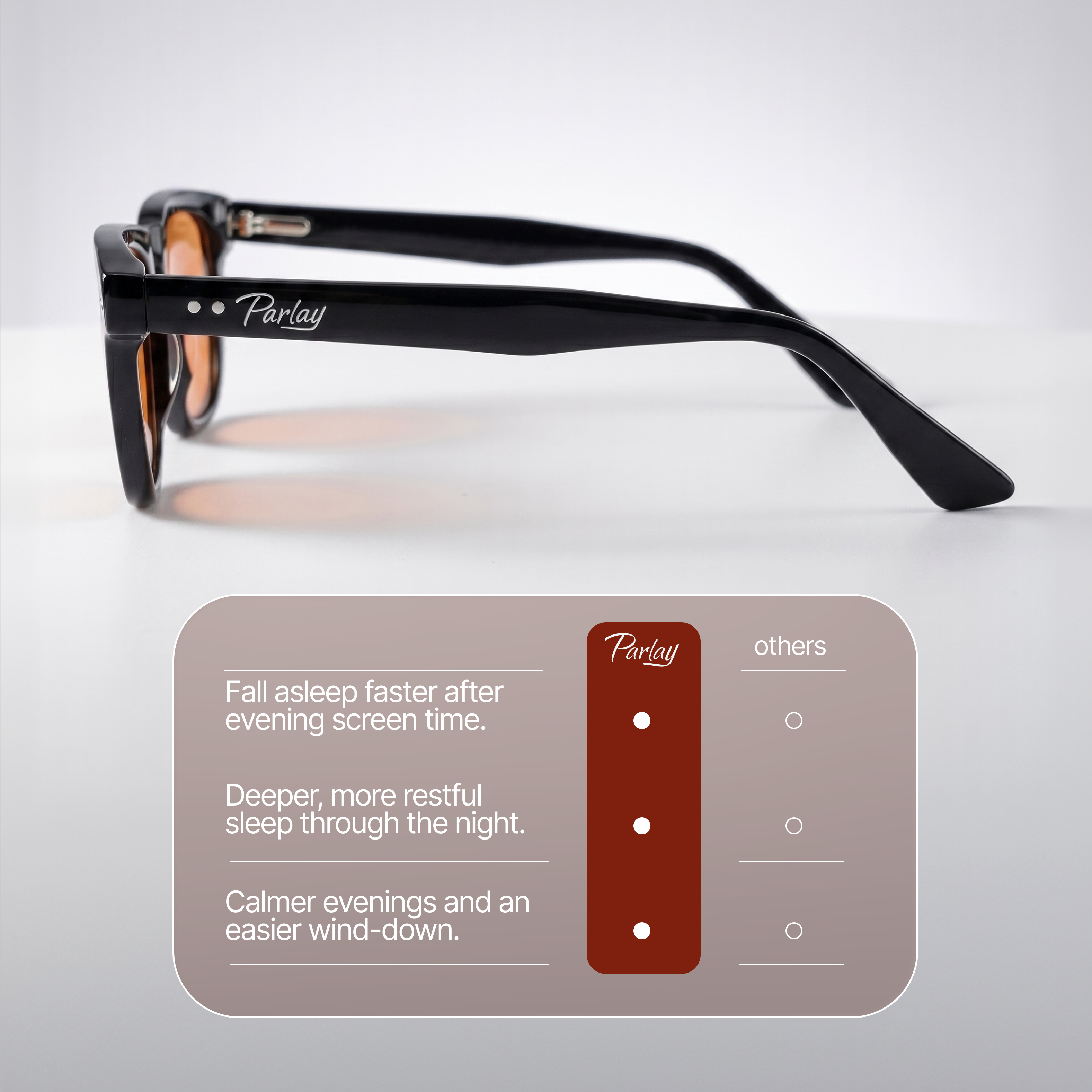

Designed to help you:
Designed to help you:
Only 31 gift bundles left


If your frames get damaged or turn out defective within your first year, we will replace them and get a fresh pair on your face. No questions asked.

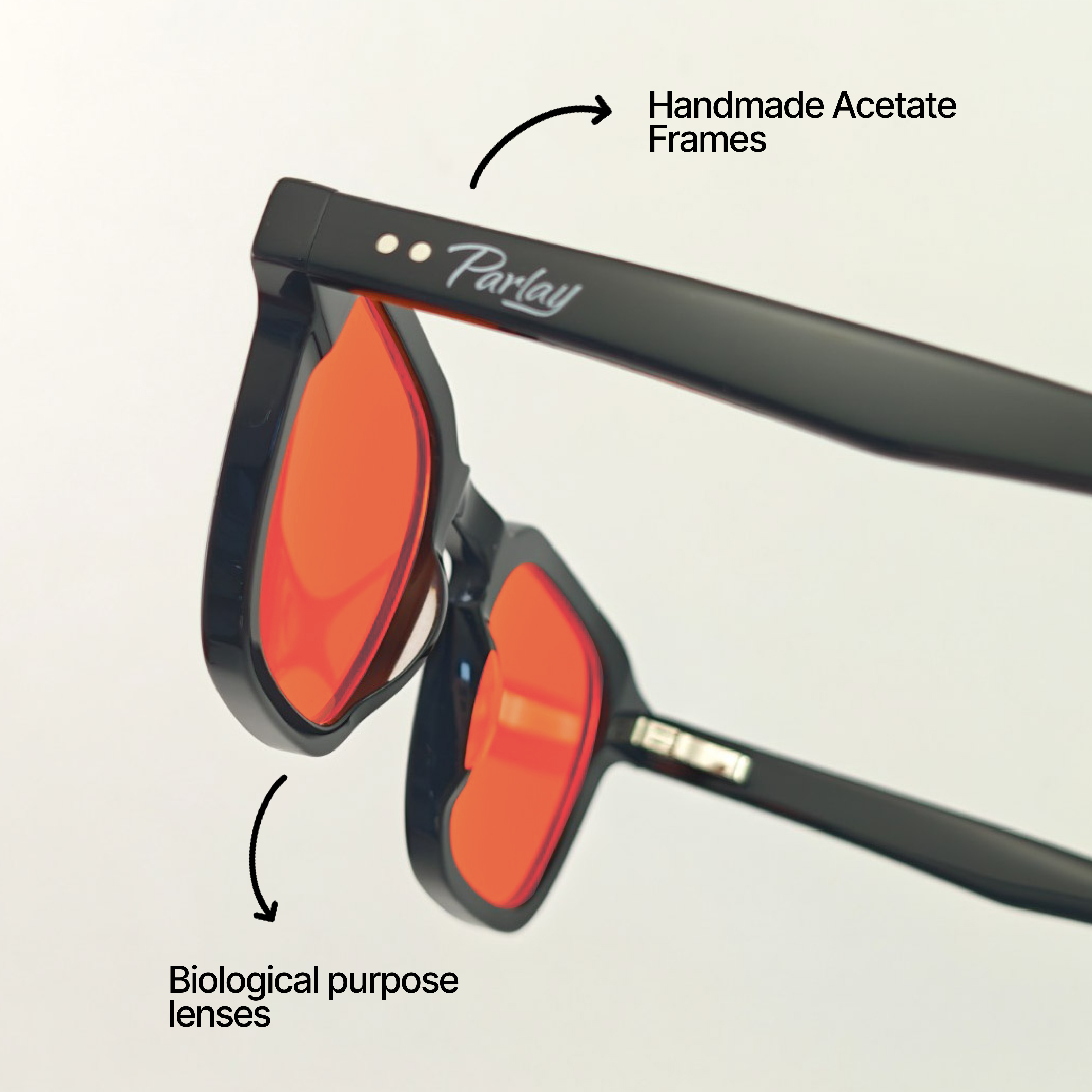
Every frame is cut from premium bio-acetate — a plant-based material that is warmer, stronger, and far more durable than the injection-molded plastic most blue-light glasses use. Hand-polished surfaces, spring hinges, riveted details.
Free standard shipping on every U.S. order — no minimum. Order by 12PM ET on a business day and it usually ships the same day, with a tracking number in your inbox the moment it moves.
Not sure they are the one? You have 14 days from delivery to send them back — unworn, in the original packaging — for a full refund to your original payment method.
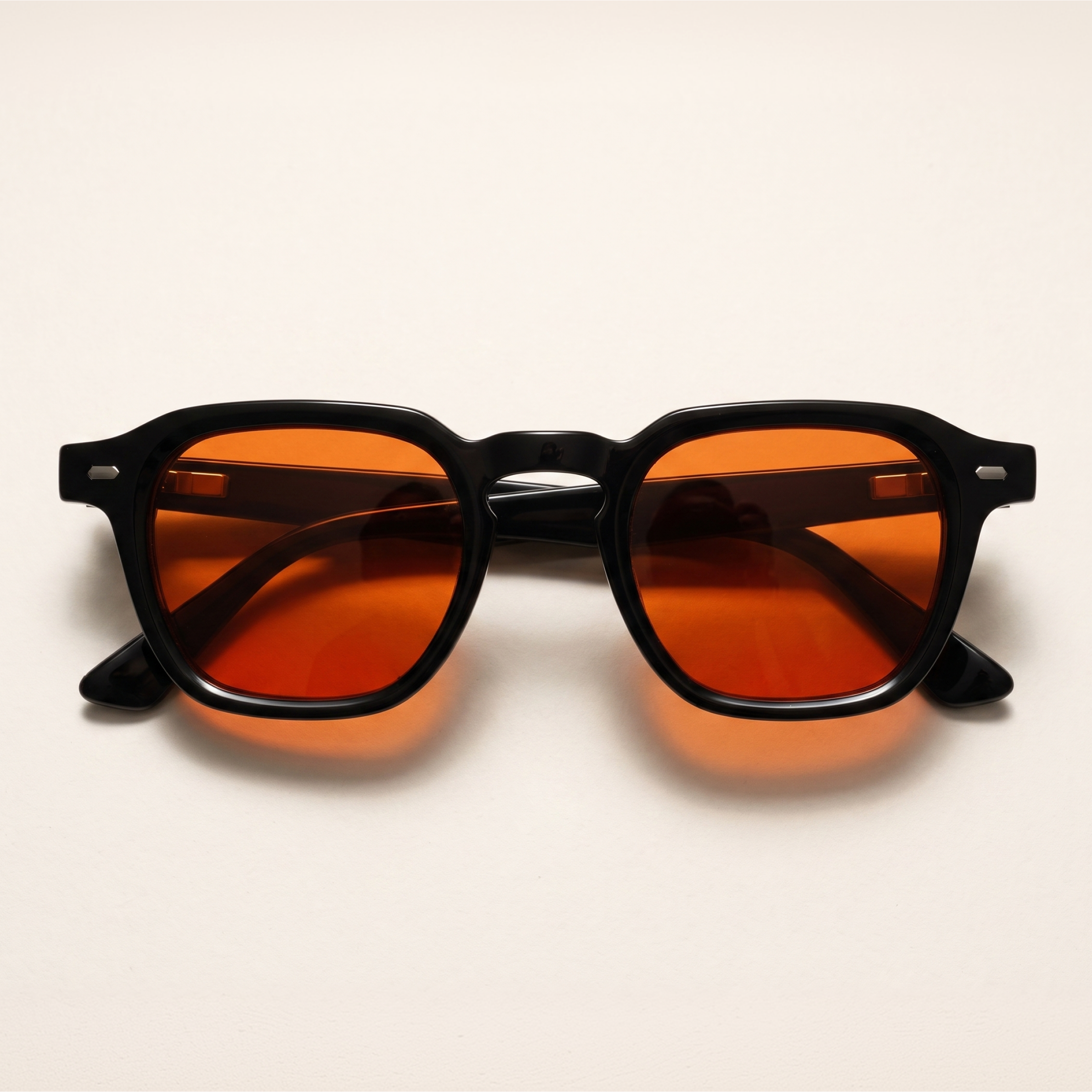
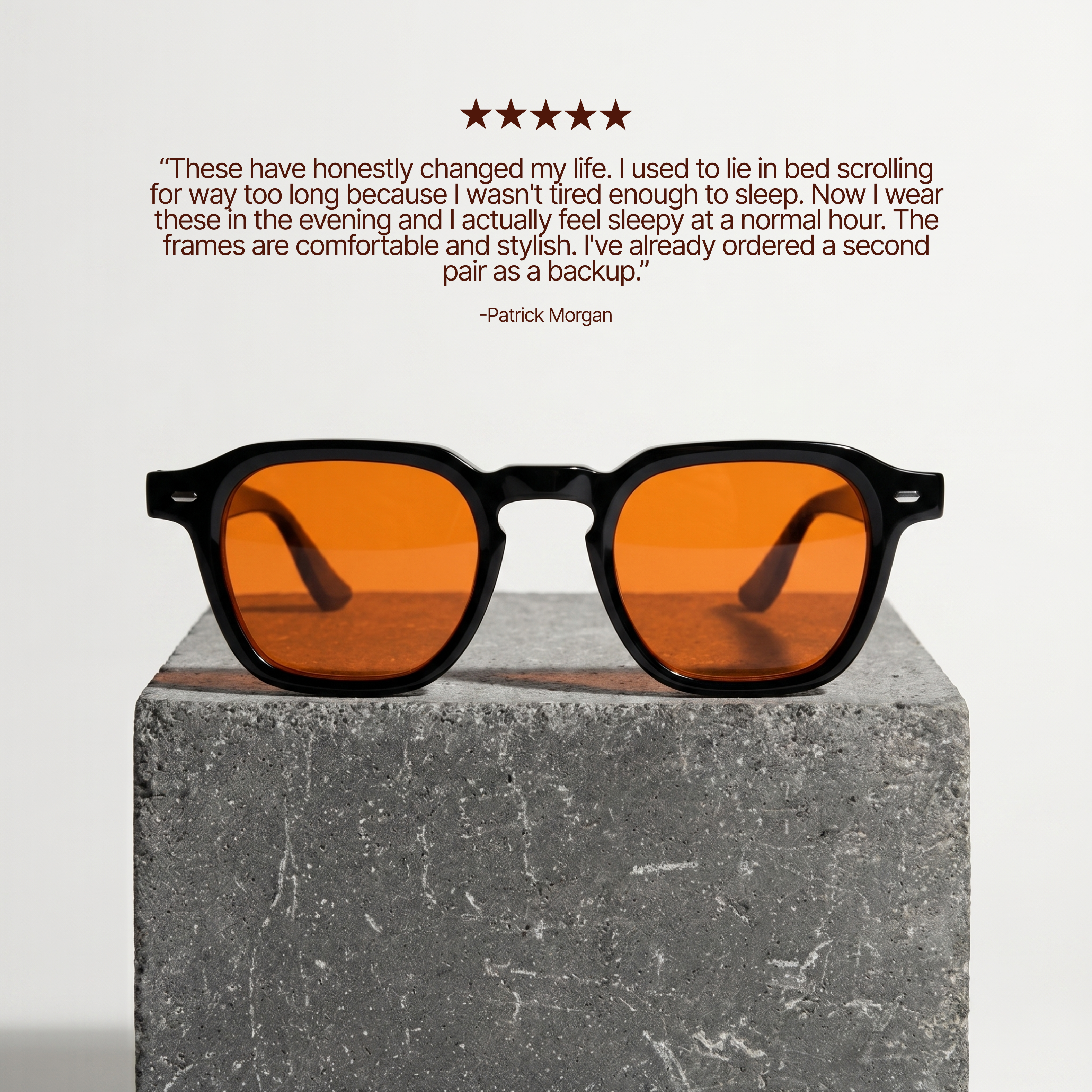
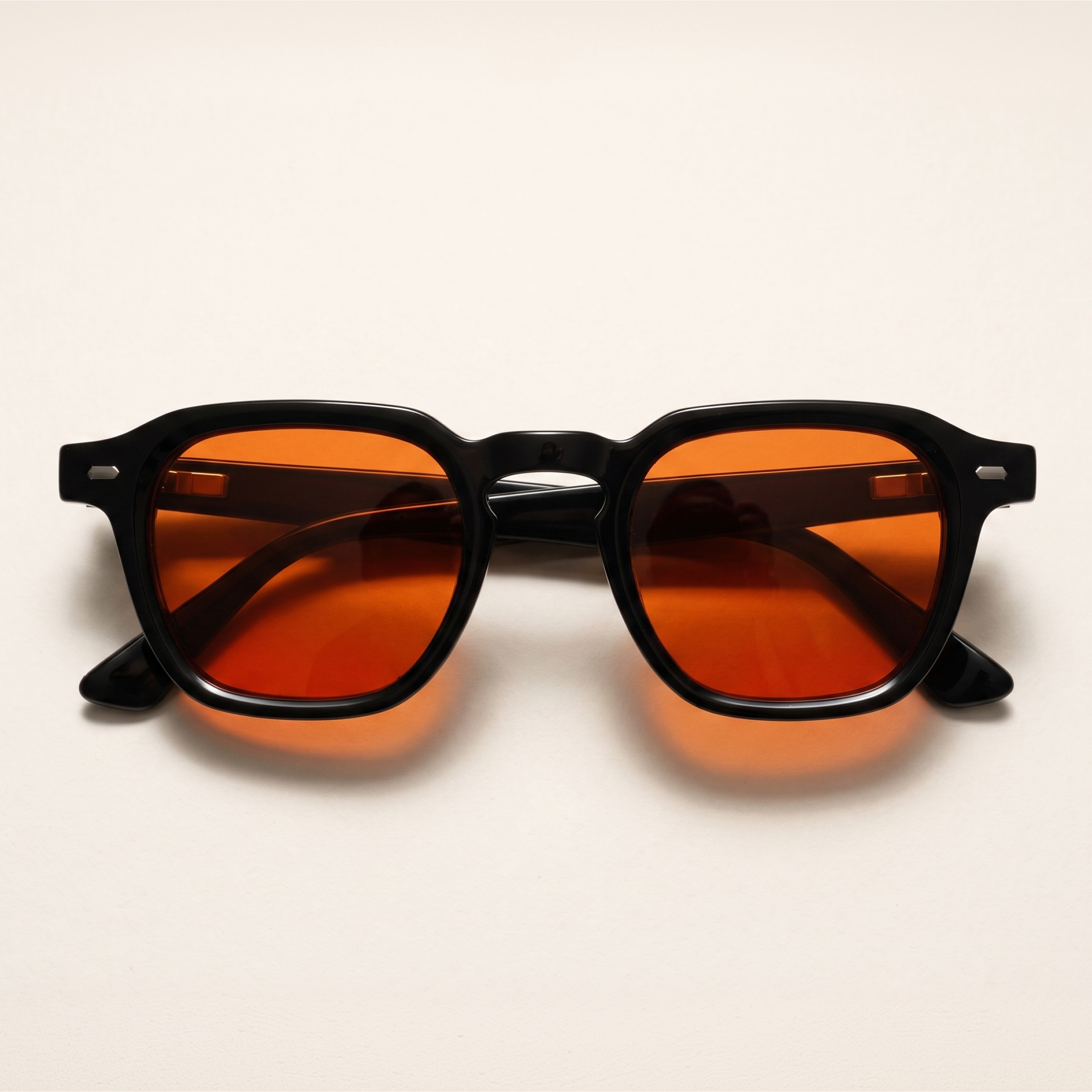
The Aero is our everyday roundish square frame with a softer edge. Vintage inspired frames with a modern touch that actually fit right. We shaped it with a gentle keyhole bridge and rounded corners so it wears easy from morning to night while still feeling intentional and put together.
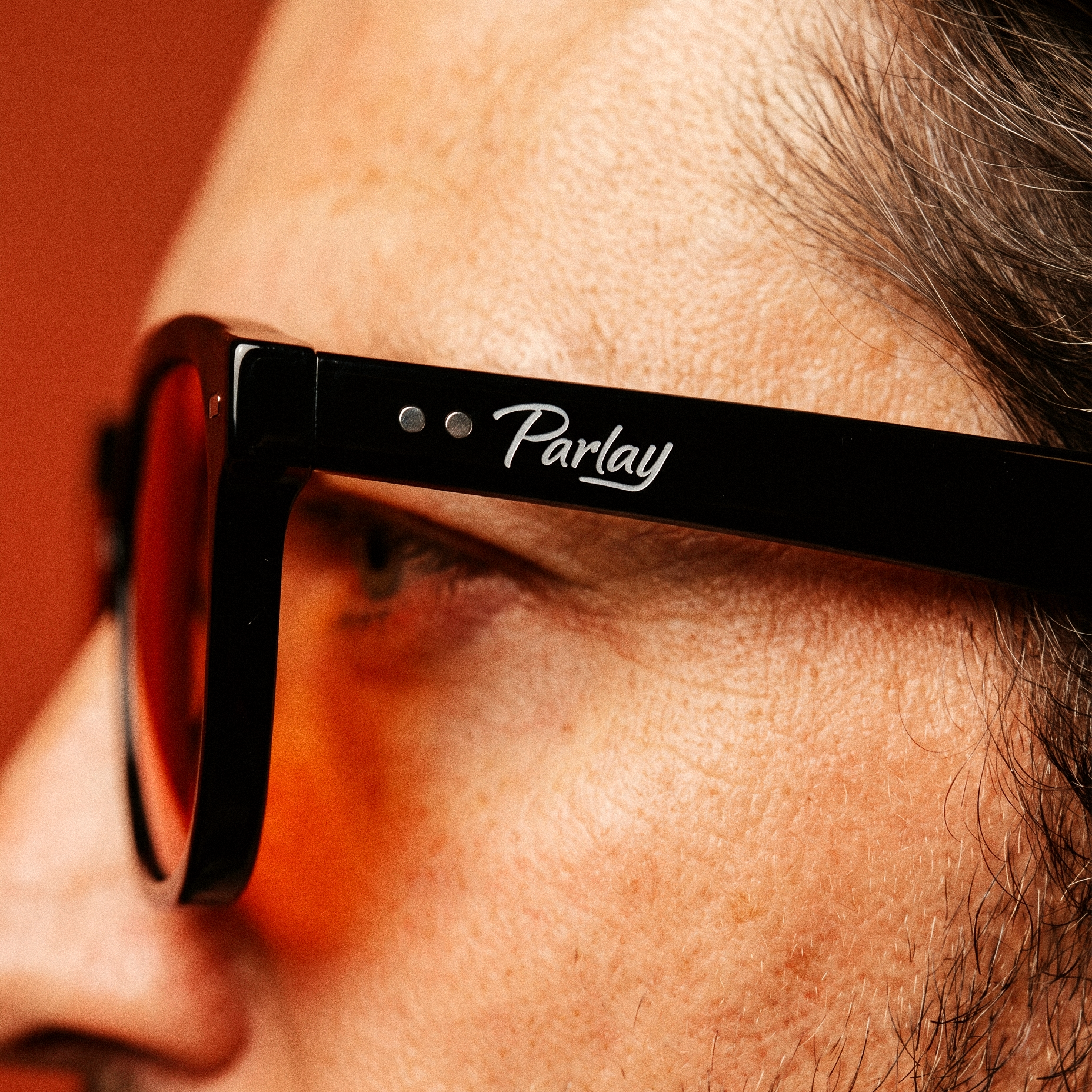
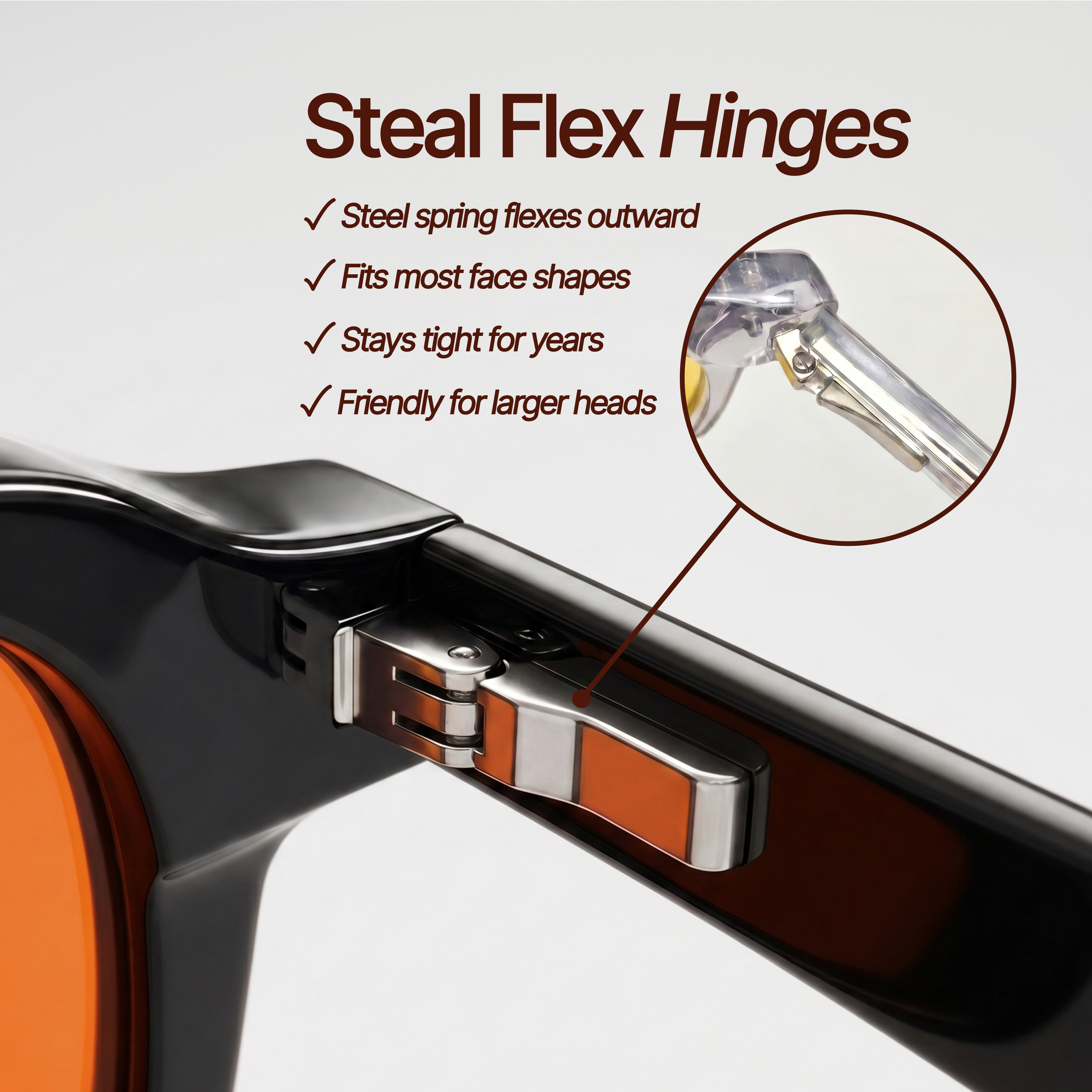
The Aero is hand crafted with premium acetate, spring hinges that flex for comfort, and a balanced fit designed to sit secure without pinching. Hand‑polished surfaces, subtle rivet details, and exterior branding tie it together. Lightweight, sturdy, and made to disappear on your face while you focus, working as an everyday staple for a healthier, more intentional routine.
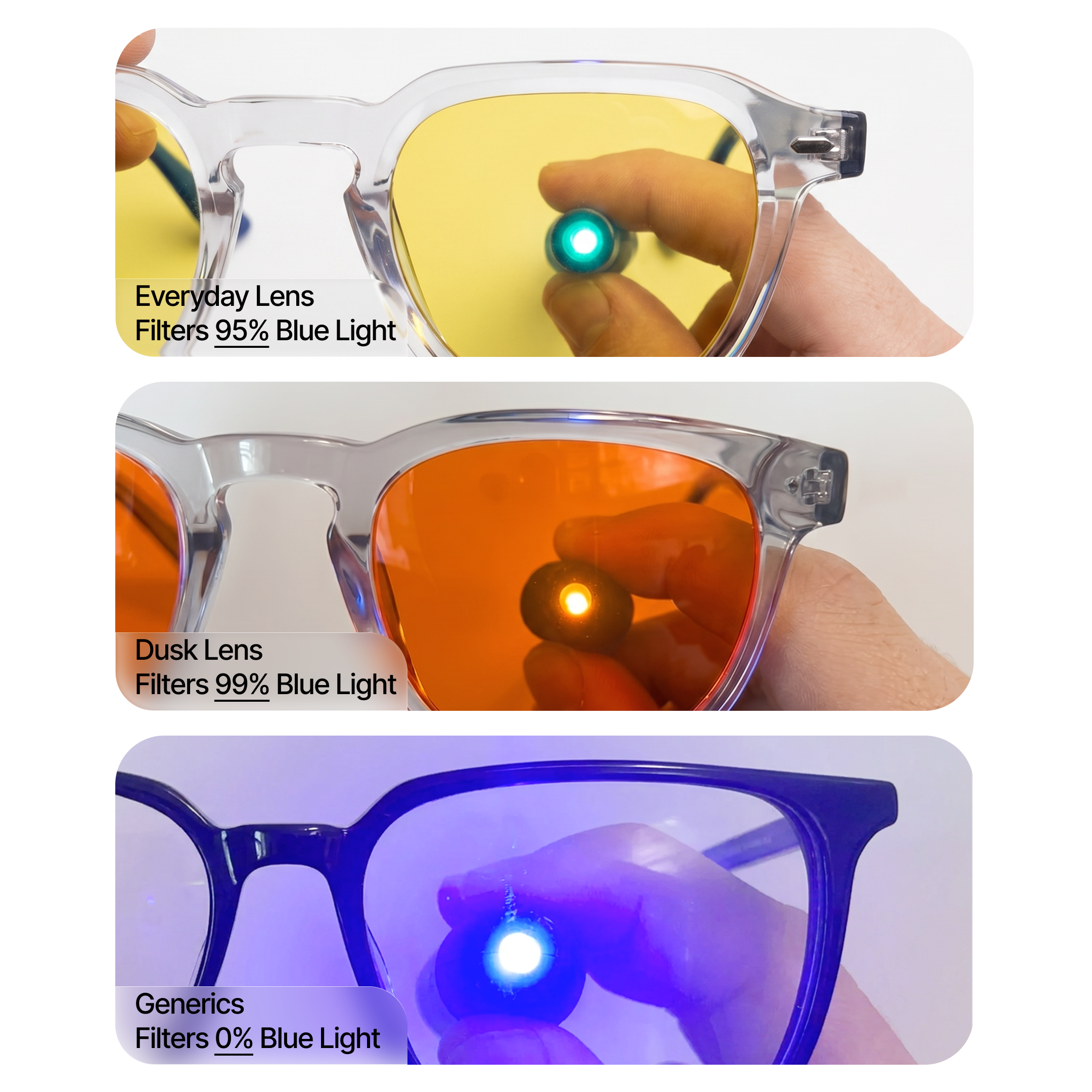
Everyday is for the hours you spend on screens and under bright indoor light — long workdays, laptops, phones, office ceilings. It all adds up to tired eyes and a mind that never gets a break. Everyday filters 95% of the stimulating blue light between 400 and 465nm, so your eyes stay comfortable and your focus holds.
The tint is a light amber. Screen colors stay true, and most people forget it’s on within a few minutes.
Wear it from sunrise to sunset — any screen, any bright room. When the sun goes down, switch to Dusk.
The Aero is our everyday roundish square frame with a softer edge. Vintage inspired frames with a modern touch that actually fit right. We shaped it with a gentle keyhole bridge and rounded corners so it wears easy from morning to night while still feeling intentional and put together.
The Aero is hand crafted with premium acetate, spring hinges that flex for comfort, and a balanced fit designed to sit secure without pinching. Hand‑polished surfaces, subtle rivet details, and exterior branding tie it together. Lightweight, sturdy, and made to disappear on your face while you focus, working as an everyday staple for a healthier, more intentional routine.
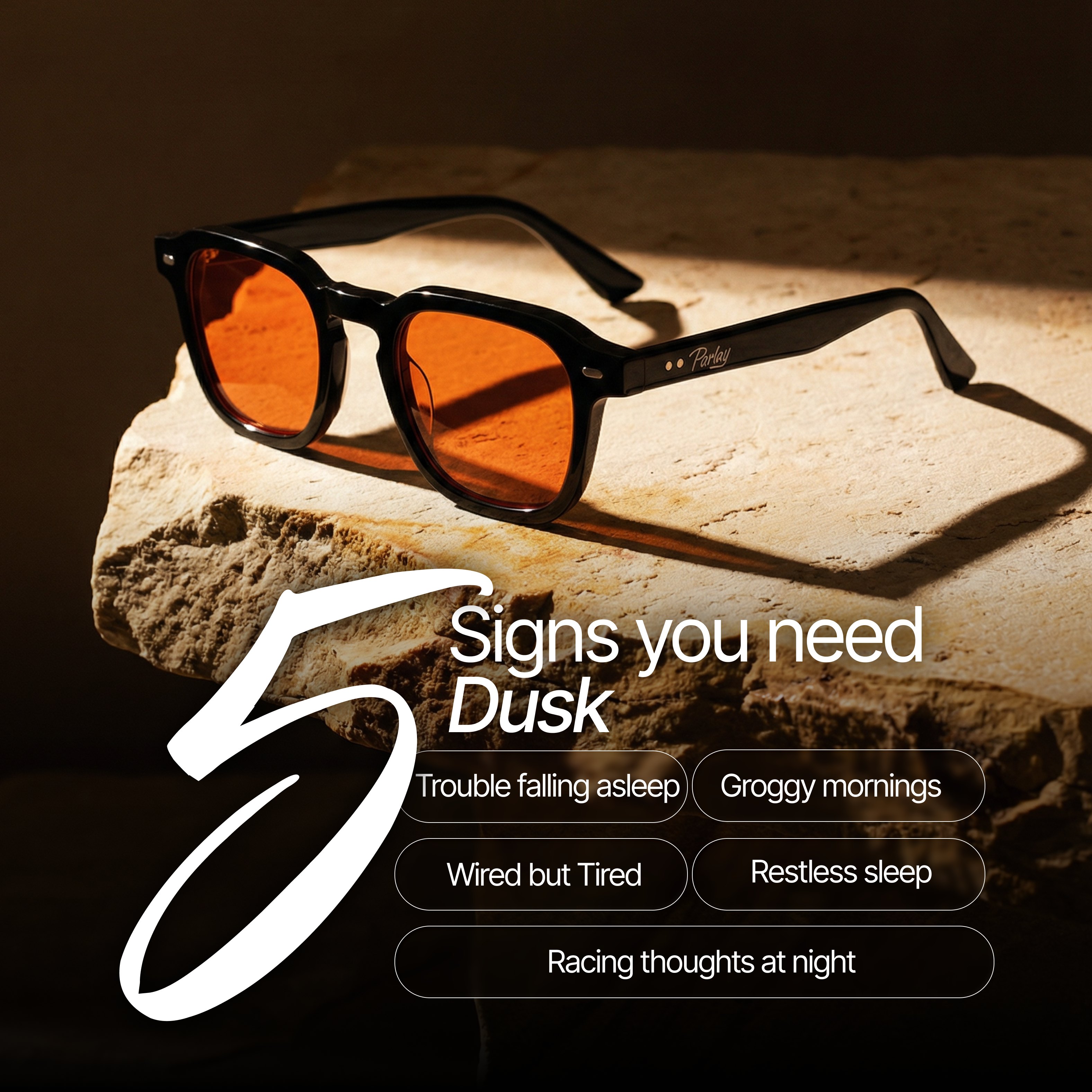
Dusk is for the hours after sunset, when screens and lamps start working against you. Artificial light keeps your brain in daytime mode long after you want to slow down. Dusk filters far more of the blue and green light coming off your screens, so they feel softer and your body can read the room as night.
The shift is easy to feel. Screens stop straining your eyes. Your mind slows sooner. Sleep arrives on its own once the day is done.
Wear it in the evening, at night, or any time screens leave you wired. Take it off when you close your eyes to sleep.
The Aero
In their words
The Science
Everyday lenses keep screen days steadier.
Wear Everyday from morning to afternoon to cut the stimulating blue light from screens — so your focus, mood, and energy hold steady all day.
Cortisol is your stress hormone. Hours of harsh screen light can keep it running high. Everyday softens that light, so your stress response stays level through the workday.

Dopamine keeps you alert and locked in. Unfiltered screens spike and crash it all day. Everyday steadies that signal, so your focus stays sharp without the afternoon burnout.
Serotonin holds your mood bright and steady. Flat, harsh indoor light drags it down by afternoon. Everyday keeps your light warm and even, so your mood stays lifted through the day.

Melatonin is your sleep signal — by day it's meant to stay quiet. Everyday keeps your daytime light clean and consistent, so melatonin holds off until it's actually time to sleep.
Your body clock reads light to keep time. Everyday feeds it clean, consistent daytime light, so your rhythm stays anchored and your day-to-night transition stays sharp.
The Science
Dusk lenses help your body read night again.
Dusk blocks far more of the blue and green light that keeps your brain in daytime mode — so your body can finally wind down after dark.
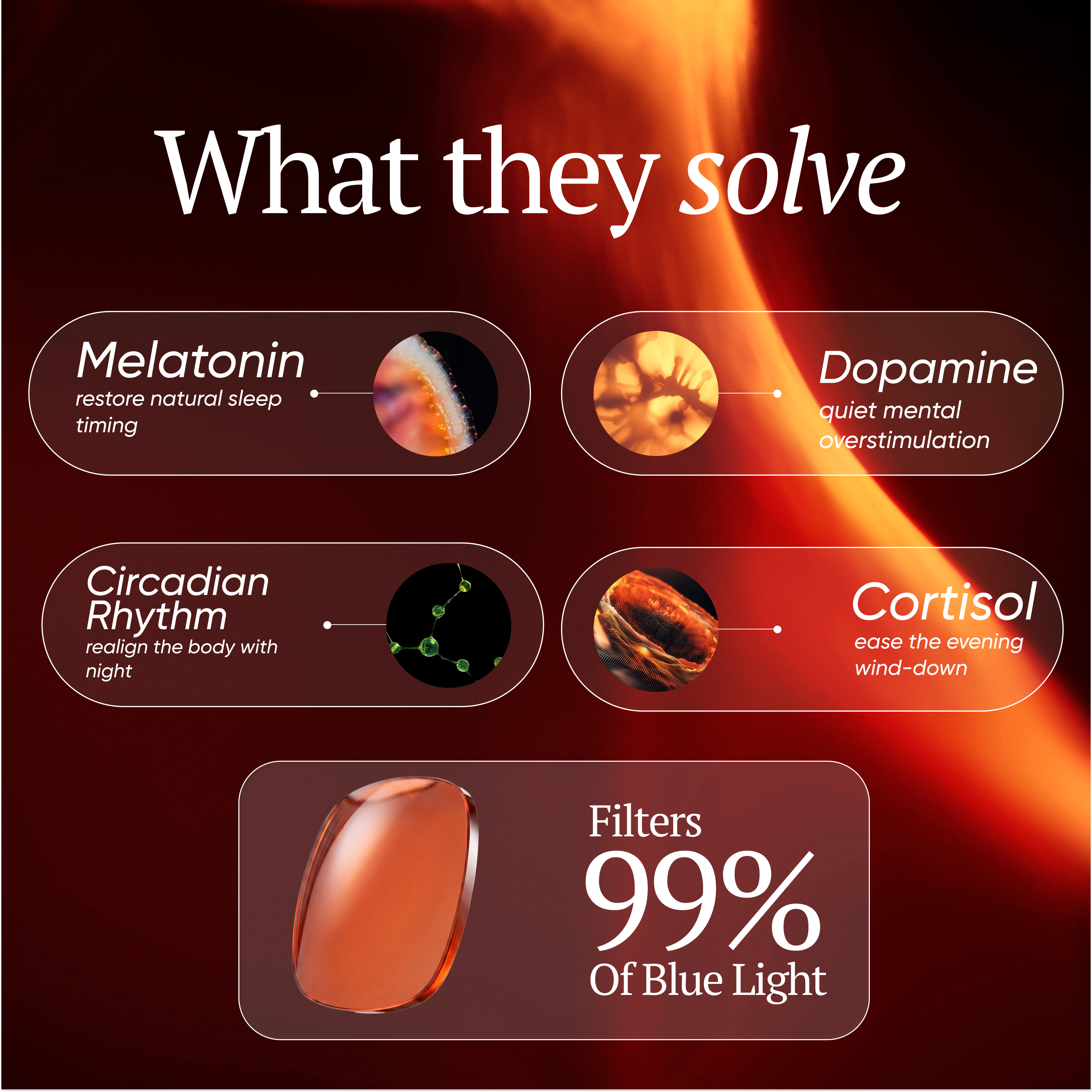
Melatonin is your sleep hormone. Blue and green light from screens hold it back for hours. Dusk blocks that light, so melatonin rises on time and sleep comes easier.
Cortisol is your stress hormone — it's meant to fall at night. Evening screens keep it switched on. Dusk lowers that signal, so your body can finally stop feeling wired before bed.
Dopamine keeps you alert and locked in. Late screens keep it running long after you meant to stop. Dusk filters the light that fuels it, so your brain can switch off at night.
Serotonin runs your daytime mood — and at night it converts into melatonin. Dusk keeps your evening light low, so that handoff happens cleanly and you settle into night.
Your body clock reads light to keep time. Screens after dark tell it the sun's still up. Dusk quiets that light, so your clock knows night has arrived and your rhythm stays aligned.

Two layers, tuned to keep your focus steady on screens.

Two layers that help your body recognize night.

Two layers, tuned to keep your focus steady on screens.
Two layers that help your body recognize night.
Every build choice traces back to one question: will you actually wear them every day?
 01
01They flex with your face, so the frame sits secure without pinching — hour nine included.
 02
02Warm to the touch, hand-polished, and it won’t warp. It feels like eyewear, because it is.
 03
03The filter is embedded through the lens, not painted on top. It can’t scratch off or wear out.

How Everyday Steadies Your Screen Days
Most people notice less eye strain the first day. Steadier focus and energy build over the first week.


How Dusk Resets Your Sleep Clock


Put Everyday on when you sit down at a screen. Wear it right through the day — it’s built for eight-hour wear.
Morning to sunset, Everyday runs your workday. When the sun goes down, switch to Dusk for the last hour or two before bed. Together they cover you from your first screen to lights-out.

Put Dusk on when the sun goes down. Take it off when you close your eyes — not before.
Morning to sunset, Everyday runs your workday. When the sun goes down, switch to Dusk for the last hour or two. Lights out, glasses off — and your body finally gets the signal that it’s night.
The doubts everyone has before they try it — answered straight.
Everyday’s amber is light — it reads like a warm vintage sunglass, fine on camera and in the office. Dusk is deeper by design, but you wear it at home in the evening, not on a call. The frames are real acetate, in shapes you’d reach for anyway.
The studies that made headlines tested clear lenses that filter maybe 5–20% — essentially cosmetic. We agree those do little. Parlay filters 95–99% of the exact band that drives your body clock. Different product, different job.
Use it — it’s free, and it helps a little. But it dims one screen slightly. It doesn’t touch your overhead LEDs, your lamps, the TV, or anyone else’s screen in the room. Parlay filters everything that reaches your eyes.
That’s the core of what Everyday does. It steadies the light your eyes take in all day, so your alertness stops spiking in the morning and dropping by three. Most people feel the difference within about a week.
Everyday shifts color only slightly — most people forget it’s on within minutes. Dusk shifts color a lot, by design. It’s an after-work lens, never a color-work lens.
Yes, in the daytime — the tint is light and comfortable behind the wheel, and it cuts glare off other cars and the road. Skip them after dark, when the amber cuts too much of the light you need to see.
Free U.S. shipping · 365-day warranty · 14-day returns
The doubts everyone has before they try it — answered straight.
Everyday’s amber is light — it reads like a warm vintage sunglass, fine on camera and in the office. Dusk is deeper by design, but you wear it at home in the evening, not on a call. The frames are real acetate, in shapes you’d reach for anyway.
The studies that made headlines tested clear lenses that filter maybe 5–20% — essentially cosmetic. We agree those do little. Parlay filters 95–99% of the exact band that drives your body clock. Different product, different job.
Use it — it’s free, and it helps a little. But it dims one screen slightly. It doesn’t touch your overhead LEDs, your lamps, the TV, or anyone else’s screen in the room. Parlay filters everything that reaches your eyes.
Melatonin is a hormone you add from outside. Parlay works the other direction — it filters the light that suppresses the melatonin your body already makes. Many people find they reach for the pills less.
Everyday shifts color only slightly — most people forget it’s on within minutes. Dusk shifts color a lot, by design. It’s an after-work lens, never a color-work lens.
No. Dusk is an indoor evening lens for winding down at home. For daytime glare, that’s Everyday. After dark behind the wheel, wear nothing tinted.
Free U.S. shipping · 365-day warranty · 14-day returns